Pub Listings
How to Write a Pub Listing That Attracts Serious Buyers
A pub listing has one job: to get the right buyer through the door with the right expectations. That means defensible numbers, photographs that show the rooms honestly, a floor plan someone can actually plan against, and prose that respects the reader's time. Most listings fall short on at least two of those. Here's how to get all four right.
Start with the buyer, not the building
Think about who is searching. A freehold operator looking for a second site reads a listing differently from a leaseholder chasing a lower rent, a developer weighing a conversion, or a community group raising money through a share offer. The developer wants ceiling heights and permitted development history. The tenant wants the rent, the review schedule, the tie and the split between wet and dry sales. The operator wants covers, kitchen capacity and whether the cellar can take a delivery dray.
You cannot write for all of them. Pick two or three likely audiences and put what they need near the top. If the site suits a particular buyer, say so plainly. "Suited to an experienced food-led operator" tells a first-timer to keep scrolling and tells a professional this is worth a phone call. That single sentence saves weeks of enquiries.
Financials: the numbers buyers check first
Vague figures waste everyone's time and make buyers assume the worst. A serious pack should include:
- Turnover, split between wet, food, accommodation and other income
- Gross profit percentages for each stream, not just a headline total
- Net profit or EBITDA, with notes on what has been added back or excluded
- Payroll, utilities and business rates as separate lines
- Rent, service charge and remaining lease term if the pub is leasehold
- Trading hours, approximate covers and average spend if you track them
Offer three years of accounts if you can, and explain any unusual year rather than hiding it — a closure for refurbishment, a one-off insurance claim, a period of reduced trading. Say whether the figures are management accounts or prepared by an accountant; buyers and lenders will ask anyway, and the answer looks far better when it appears voluntarily.
Be equally clear about what is included in the sale: fixtures and fittings, stock at valuation, the EPOS system, the name and goodwill, the flat above. Ambiguity here is where deals collapse in the final week.
Photographs that earn the viewing
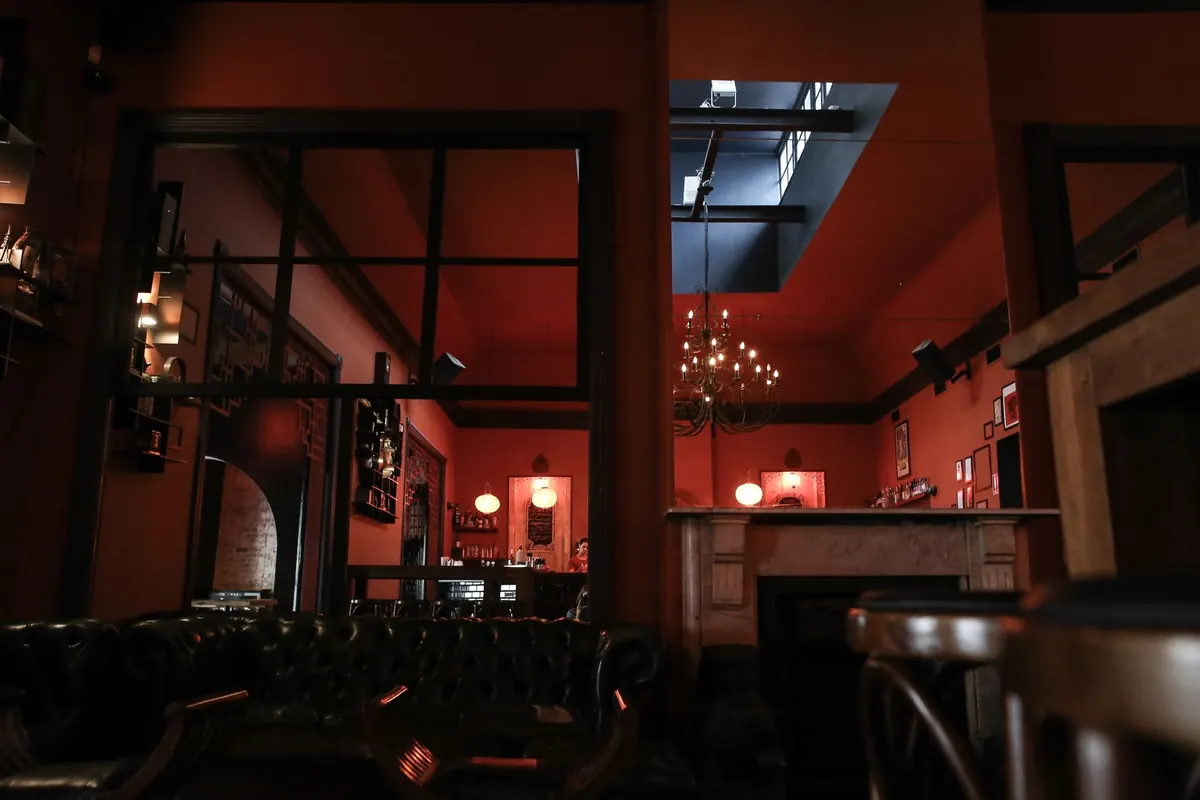
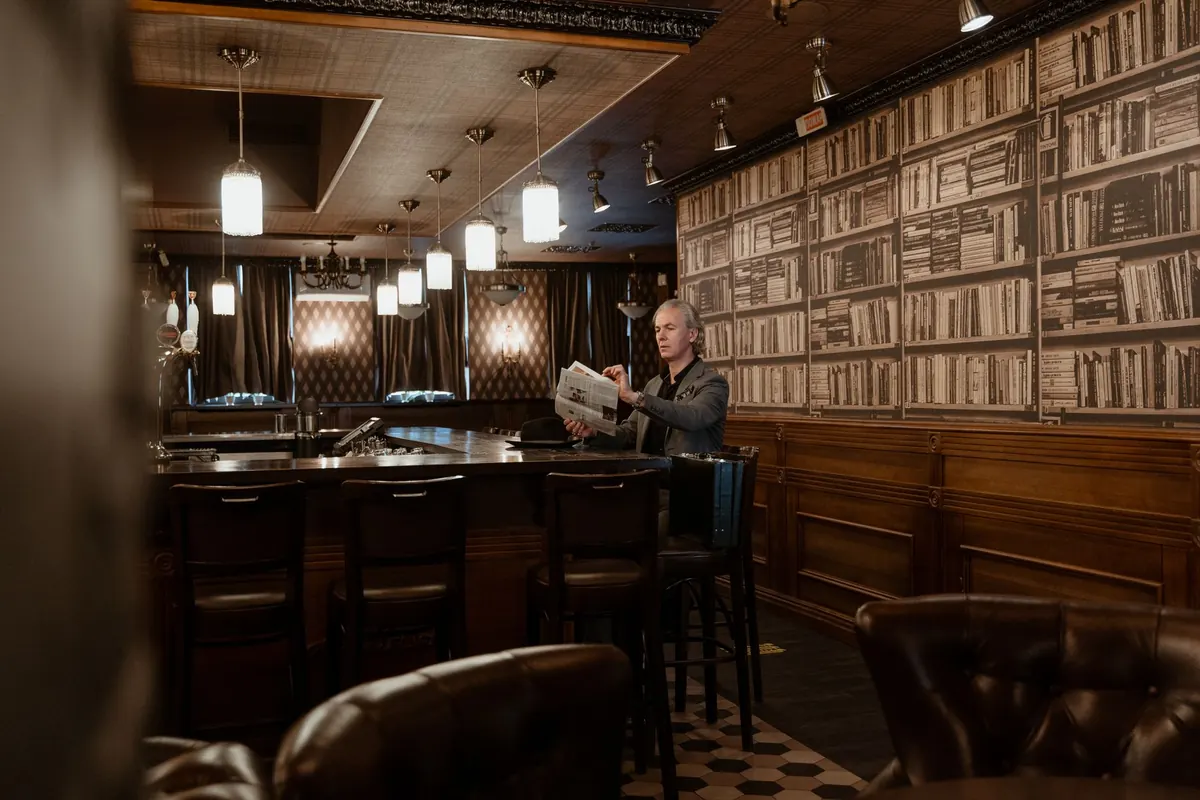
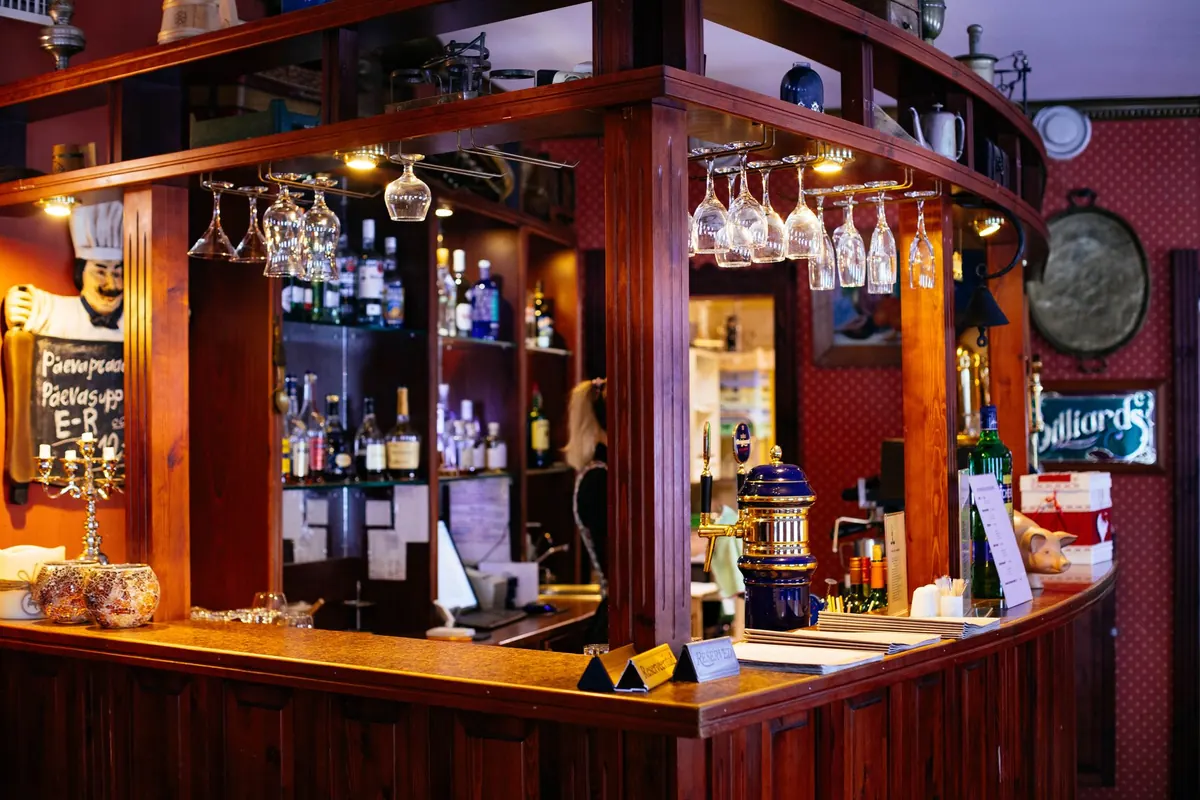
Shoot wide, straight and tidy. Turn on every lamp, clean the lines of the bar, and move the bins, A-boards and chalkboards out of shot. A bright overcast day flatters brickwork and tarmac better than harsh noon sun, and straightening verticals costs nothing in editing software. Caption each image with something useful — "Main bar, seats 48, log burner" tells an operator more than any adjective.
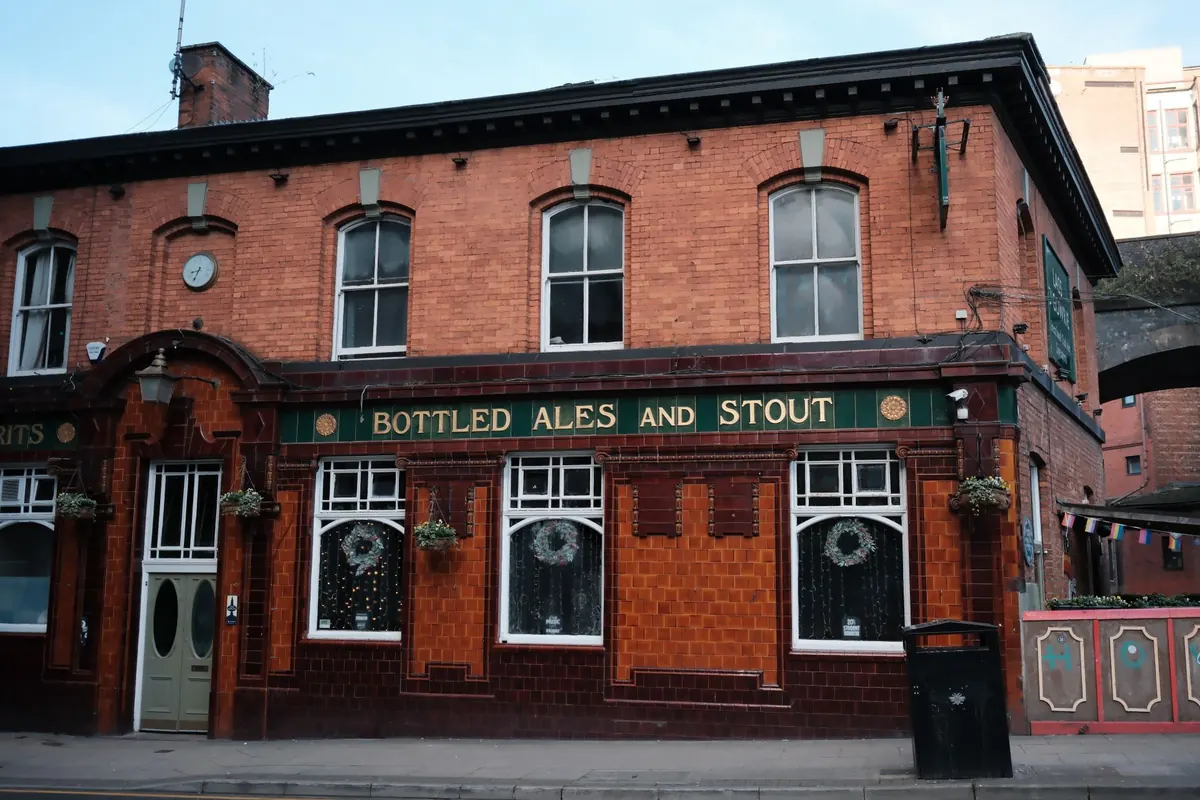
Cover the essentials: exterior from two angles, main bar, second room or dining area, kitchen with extraction visible, cellar, beer garden or yard, function space, letting bedrooms, and the private accommodation if it forms part of the sale. Then photograph the tired parts. A buyer who arrives to find an unphotographed kitchen assumes there is worse waiting upstairs.
Leave out the drone shot that reveals nothing, the heavily filtered mood picture, and any stock image. Buyers spot them instantly, and they signal that the real thing is not worth showing.
Floor plans and layout detail
A measured plan, with dimensions and the total trading area, is one of the cheapest pieces of marketing you can commission and one of the most persuasive. Show the bar, cellar, kitchen, toilets, storage and service routes. Mark the access to the cellar from the yard, the width of the delivery entrance, and whether there is parking.
Then describe how the building actually works. "Cellar beneath the main bar, accessed from the yard; kitchen extraction serves the rear dining room" is a sentence an operator can picture immediately. For leasehold sites, add a note on what alterations would need the landlord's consent.
Condition notes: honesty is a pricing tool
Every building has a list. The roof that needs doing, electrics that predate current standards, cellar cooling on its last summer, damp in the back store. Put the list in the listing. A buyer will find these things at survey, and if they feel they were concealed, they will renegotiate hard or walk away — usually after you have spent money on legals.
Be specific. Not "in need of some modernisation" but "kitchen extraction is dated and the flat above has single glazing and no central heating." Then add what you know: surveys already carried out, quotes obtained, planning history, EPC rating. Energy performance rules for commercial lettings have been tightening, and licensing, planning use class and restrictive covenants all vary by property. Check the current position with your solicitor and a licensed trade surveyor rather than guessing in the copy.
Writing the description
Order it sensibly: the opportunity in one sentence, the location and what drives footfall, the trading areas, the accommodation, the terms, the condition. Trade facts beat atmosphere — mention the station, the housing growth, the market day, the walking route.
Write as if briefing a colleague. Cut "stunning", "thriving" and "turnkey". "Ten-year lease from 2019, rent review every five years, tied for draught beer" beats "excellent lease terms" every time. Check the details buyers notice: postcode, tenure, business rates, whether the fixtures are owned outright or financed, whether the seller will consider a handover period, whether the name is included.
Before you publish
Read the first three lines as a stranger would. Check every figure twice and make sure it matches the accounts. Ask someone who does not know the pub to read it and tell you what is missing. Take one more photograph of the room you are least proud of, and write one honest sentence about it.
Confirm the tenure, the inclusions and the trading figures with your solicitor and accountant before anything goes live. A listing that survives that scrutiny attracts fewer time-wasters and more buyers who arrive already half-sold.
Photo: Valeria Boltneva / Pexels
Related Articles