Pub Listings
Pub Inventory Checklist: Fixtures, Fittings, and Stock in a Sale
A pub can be agreed at a sensible price over a pint, then fall apart over a chest freezer and half a barrel of lager. Inventory is the unglamorous part of a pub sale, and it is where deals most often wobble in the final week.
The inventory sits alongside the price, not inside it. It is the written list of what physically changes hands on completion day: the fixtures bolted to the building, the movable equipment, and the stock on the shelves and in the cellar. Agree it early, value it on a method both sides understand, and completion becomes a formality. Leave it vague, and you will spend your first week as a licensee arguing about optics.
What a pub sale inventory actually covers
Think in three pots.
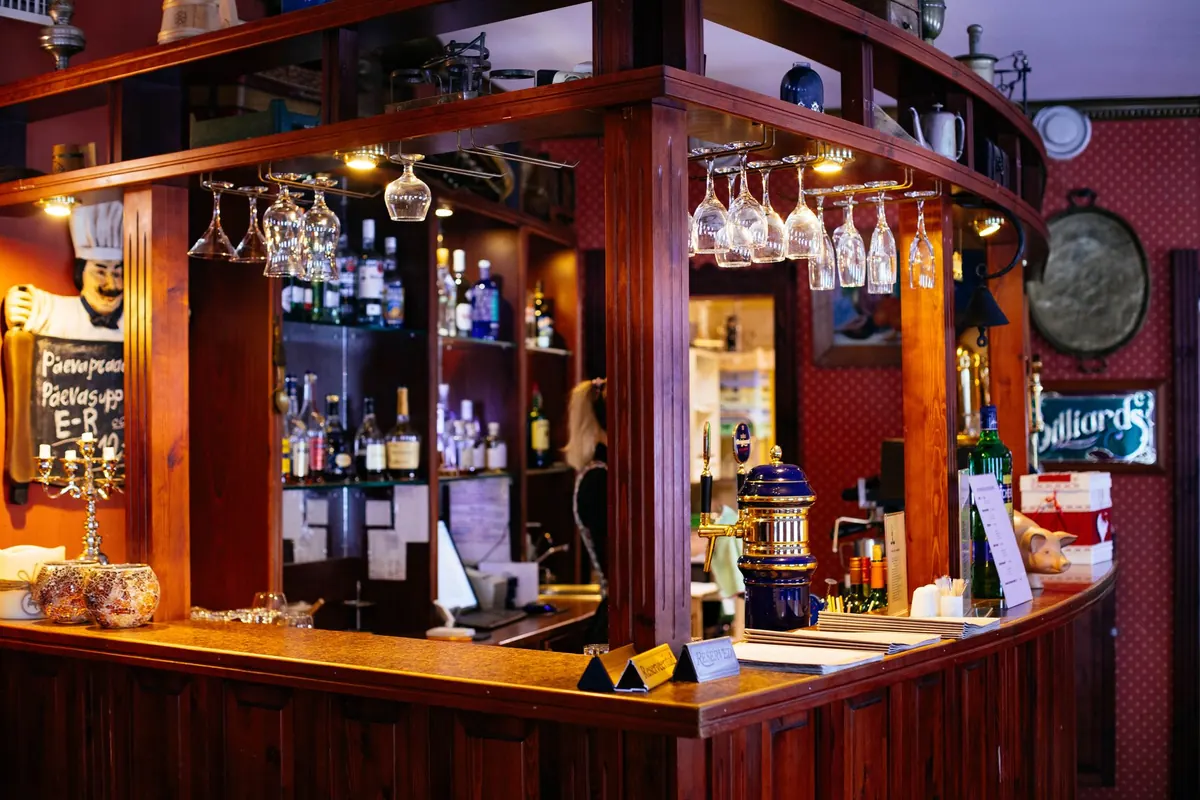
Fixtures are attached to the building or so integral to trading that they are treated as part of it: the bar servery, back-bar shelving, cellar cooling, fixed seating, kitchen extraction, the toilets.
Fittings and chattels are movable: glassware, crockery, small kitchen kit, garden furniture, signage, cleaning gear.
Stock is everything consumable — wet stock (beer, cider, wine, spirits, soft drinks) and dry stock (crisps, food, cleaning materials, cellar sundries).
Then there is a fourth category that trips people up: assets owned by someone else. Gaming machines, jukeboxes, pool tables, coffee machines, water coolers and often the EPOS system are supplied under third-party agreements. They may look like part of the pub, but they rarely transfer with it. The machines stay or go at the supplier's instruction, and the buyer needs a new agreement or a new supplier.
Fixtures and fittings: what stays, what leaves
In a freehold sale, the default is that everything used to run the pub goes with it, unless the seller lists exclusions. In a leasehold sale it is more layered: the landlord often owns the building and much of what is fixed inside it, while the outgoing tenant owns items they installed themselves. Those may only be removable with the landlord's consent, or they may have to be left behind. That distinction changes what the buyer is actually paying for, and it should be settled long before contracts.
A typical schedule includes:
- Bar servery, back-bar shelving, optics, fonts and taps
- Cellar cooling, python lines, gas equipment and regulators, cellar shelving
- Kitchen range, extraction, fridges, freezers, prep tables, small equipment
- Fixed seating, loose tables, chairs, benches, poseur tables
- Glassware, crockery, cutlery and tableware
- Exterior signage, A-boards, planters, garden furniture, lighting
- Cleaning equipment, cellar sundries, fire safety items
- EPOS hardware, if the contract transfers with it
Exclusions matter as much as inclusions. Sellers often want to keep personal pictures, a collection of pump clips, or their own tools from the cellar. Fine — as long as it is written down before the buyer walks the pub with the list in hand.
Stock: wet, dry, and the barrel nobody wants to pay for
Stock is usually bought at completion at a valuation, not included in the headline price. Two things need agreeing in writing: the basis of valuation and the timing.
The basis might be cost price, cost less supplier discount, or a prevailing trade price. Beer, wine and spirits tend to follow one convention; food and dry goods another. What matters is that both sides agree a single method and apply it to every line. As for timing, a stocktake done a week before completion is worthless — stock moves. The count should be joint, on the day or the evening before with the pub closed, with both parties or their representatives present and both signing the sheets.
A few specifics that generate arguments:
- Unbroached barrels can usually be returned to the supplier for credit; broached ones often cannot, so agree who carries that cost.
- Kegs, crates and containers belong to the supplier, not the buyer, and any deposits or rental arrangements need resolving.
- Spirits and wine should be counted, not estimated. Part bottles are the buyer's cost if they intend to trade with them.
- Sale-or-return and consignment lines belong to the supplier until sold.
- Agree a cap: "stock not to exceed £X without prior agreement" avoids a surprise at completion.
How to negotiate the inventory
For buyers, the principle is simple: you want to walk in and trade. Every missing item is a cost on day one, and it is cheaper to negotiate a set of scales or a glasswasher now than to buy one next week. Ask for the draft inventory before you exchange, not after.
For sellers, clarity is protection. A complete schedule — including the things you are keeping — gives you a reason to say no later without damaging the deal.
- Get the schedule in writing, dated, with an agreed version number.
- Walk the pub with the list. Open cupboards. Look in the loft and the store room.
- Photograph fixtures and note their condition, so the state of the building is documented.
- List third-party items separately, with supplier names and contact details.
- Agree the stock valuation method before completion day, not on it.
- Deal with the small things: keys, alarm codes, cellar keys, meter readings, supplier accounts, insurance and licensing documents.
Completion day: keeping disputes off the table
Done properly, completion is routine. The stocktake happens before the pub opens, with both sides present. Sheets are numbered, totalled, signed and dated, and each party keeps a copy. Photographs of fixtures are taken on the same visit. Meter readings for gas, electricity and water are recorded, along with phone and broadband arrangements. Keys and codes change hands against a signature.
Anything unresolved goes on a short list with a deadline and, where appropriate, a retention from the purchase price until it is settled. Verbal promises made in the car park are worth nothing once the keys change hands.
One thing worth saying plainly: the alcohol licence, the lease and the transfer of the business are each their own process, with their own rules and deadlines. A licensed trade solicitor and a valuer who works with pubs will know the local conventions and will spot the clause in the lease that changes everything. Treat this as general guidance rather than legal advice.
The short version
Agree the list early, value the stock on the day, and sign two copies of everything. If you are buying, find out what is leased, borrowed or owned by a supplier before you fall for the pub. If you are selling, list what you are keeping and keep it. Do that, and the only thing left to settle at completion is who buys the first round.
Photo: Rachel Claire / Pexels
Related Articles