Market News
Pub Real Estate Market Outlook 2025: Sales, Rents, and Buyer Trends
Pub property rarely moves in one direction, and 2025 is no exception. Ask three buyers what the market is doing and you will get three answers: brisk competition for a well-placed village freehold, careful silence around a large roadside site with a car park nobody fills, and a queue of tenants chasing one good lease in a market town. All three are true. What defines this year is not a single headline trend but the widening gap between the pubs people want and the pubs the trade has outgrown.
Two Markets, Not One
Wet-led community pubs in commuter villages, market towns and well-connected coastal spots are still the most contested stock on agents' books. When a freehold with a decent garden, a car park and a kitchen that doesn't need rebuilding comes up, viewings are busy and offers often arrive within weeks. Buyers in that bracket are competing with private owner-operators, small pub groups and, increasingly, community groups with money already pledged.
The other market is slower and more painful. Large food-led destination sites, pubs with heavy overheads, and buildings in areas where footfall has drifted away can sit for months and take two or three price reductions before a deal sticks. Sellers who price to today's evidence rather than to a 2019 valuation tend to complete; those who don't tend to wait.
Decide early which market you are shopping in, because the tactics are different. In the competitive tier, speed and certainty of funding win deals. In the slower tier, patience and a willingness to price in refurbishment costs win value.
Interest Rates Have Reset the Maths
Borrowing costs are higher than the long stretch of cheap money that shaped pub values through the 2010s. Even as rate expectations soften, hospitality lending stays cautious. Lenders want to see trading history, a clear split between wet and dry sales, and a building that isn't hiding a roof problem.
Practical steps that make a difference:
- Get a mortgage decision in principle before you view, so you know your ceiling rather than guessing it.
- Prepare three years of accounts, VAT returns and EPOS data if you are selling; prepare a realistic business plan if you are buying a closed pub.
- Work with a broker who regularly places hospitality loans. A generalist will struggle with a pub that has flats above it or a tied supply agreement.
- Ask about sale-and-leaseback or vendor finance where a straight commercial mortgage falls short.
Money talks tend to be the part of a pub purchase that goes wrong quietly. Take advice from a commercial solicitor and an independent mortgage broker before you commit, and budget for stamp duty, surveys, legal fees and at least a few months of working capital on top of the purchase price.
Leasing Demand Holds, With Conditions
Tenancy and lease demand remains steady, particularly for pubs that a good operator can turn around with modest spending. Pub companies and family brewers still want experienced tenants, but the negotiating ground has shifted. Rent-free periods and stepped rents are more available than they were, especially in secondary locations, and landlords are more willing to contribute to fit-out when the operator's track record is strong.
If you are taking a lease, read the detail before you sign. Check the schedule of condition, because repairing obligations can hand you a bill for a roof you never touched. Understand exactly what the tie covers and what it costs you per barrel. Look at how rent reviews work and whether they can only move upward. And check the hours and conditions on the premises licence — a lease is worth much less if you cannot trade when you need to.
Community Ownership Grows Up
Community-owned pubs have moved from curiosity to a genuine buyer group. The model is better understood now, and the groups that succeed tend to share the same habits: they start early, they build a committee with real skills, and they raise money before the deadline rather than after it.
Listing a pub as an Asset of Community Value can give a community group a moratorium of up to six months when the owner decides to sell. It is not a veto, and it does not set the price. The group still has to raise market value within the window, so early preparation matters more than the listing itself.
Plan the whole cost, not just the purchase. Refurbishment, professional fees, staff wages for the first quiet months and a contingency fund all need to be in the share offer. Groups that raise only the asking price often run out of money in month four.
Conversion Pressure and Planning Reality
Some pubs will never trade again as pubs. Conversion to housing, convenience retail, nurseries or cafés continues, but the planning route is narrower than it once was. Local plans increasingly resist the loss of the last pub in a village, and community facility policies carry weight at committee.
If conversion is part of your plan, check the position before you exchange contracts. Permitted development rights vary, Article 4 directions strip them away in some areas, and rules differ between England, Scotland, Wales and Northern Ireland. Take local planning advice — a professional who knows the authority you are dealing with, not a general read of national policy.
What to Check Before You Bid
- Trading evidence: full accounts, VAT returns, EPOS data, the wet-to-dry split and staff costs, not just a headline turnover figure.
- Building condition: a full survey plus specialist checks on the roof, cellar, drainage and kitchen extraction.
- Tenure and title: boundaries, car park ownership, rights of way, restrictive covenants and any tie arrangements.
- Licensing: the current premises licence, hours, conditions and any review history.
- Planning status: use class, listing, Asset of Community Value status, Article 4 directions and enforcement history.
- Local competition: how many other pubs trade within a mile, plus planned housing or transport changes nearby.
- Employment: if you are buying a going concern, staff liabilities may transfer to you. Get advice on this specifically.
How to Position Yourself This Year
Buyers: be finance-ready, be quick on good sites, and be disciplined on price. The pubs that trade well will not wait for you, and the ones that linger usually linger for a reason. Walk the site at three different times of day, eat there if it is still open, and talk to neighbours.
Sellers: clean accounts and an honest condition report are worth more than optimistic marketing. If you are not in a hurry, a well-structured lease can protect income while the market settles.
Tenants: negotiate hard on rent-free fit-out periods and check the tie arithmetic before you fall for the building. Communities: start the share offer early and raise more than you think you need. In a market this divided, preparation is the advantage.
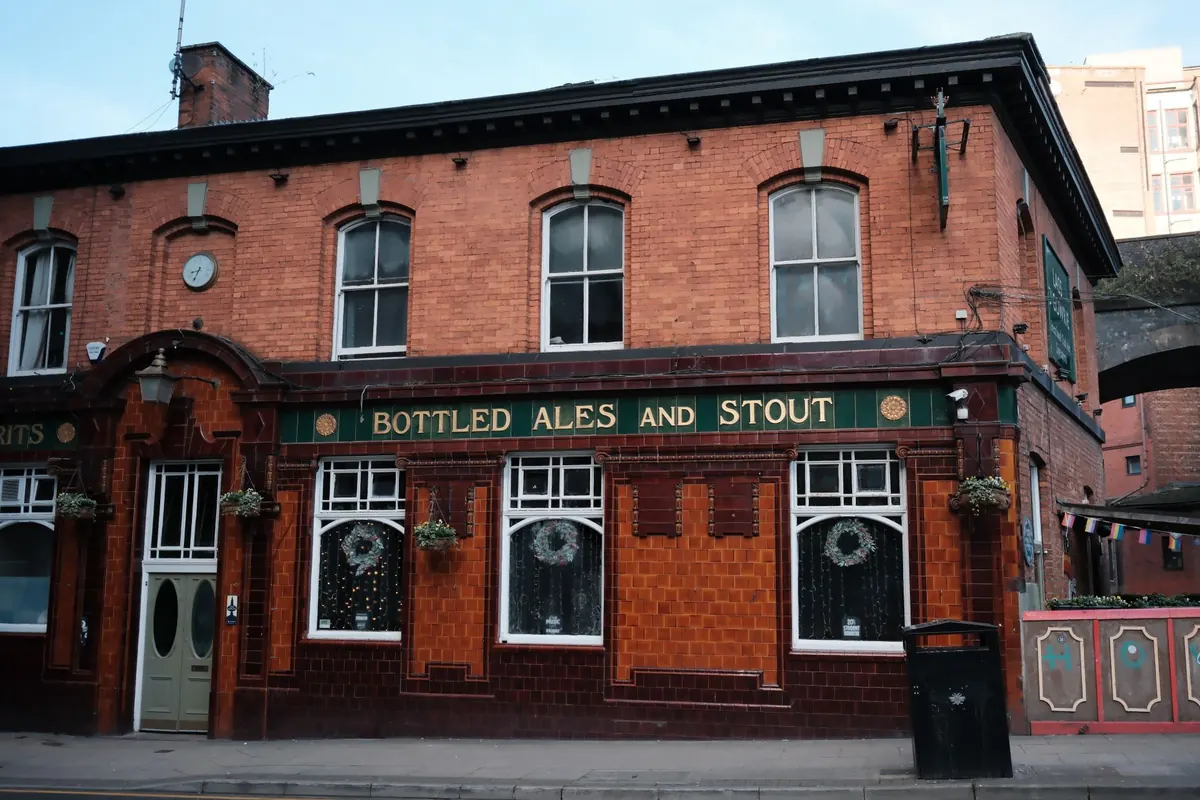
Photo: Max W / Pexels
Related Articles