Sales

7 Common Mistakes When Selling a Pub and How to Avoid Them
Selling a pub is not like selling a house with a bar in it. A buyer is weighing three things at once: the building and the lease or freehold, the business that trades from it, and the likelihood that the locals will still be there in a year. Get any one of those wrong and the sale drags, the price slips, or the whole thing collapses. Most discounted and failed pub sales run into the same handful of avoidable problems, so here are the seven we see most often and what to do about each.
1. Pricing on sentiment instead of evidence
It is natural to start with what you have put in — the refurbishment, the years of early mornings, the debt you cleared. Buyers do not price a pub that way. They work from the trading figures, the condition of the building, comparable sales nearby and what a lender will advance against it. A common mistake is anchoring to a larger pub down the road, or to a figure that assumes the buyer will run it better than you did.
Ask three agents who actually sell pubs, not houses, for a written appraisal. You want to see how the number is built: turnover, gross profit, wage and energy costs, adjusted net profit, and the multiple applied to it. If your price depends on "potential" — a closed kitchen, an unused function room, a garden that could take a marquee — say so openly and price the unproven part modestly. Take professional valuation and tax advice before you settle on a figure.
2. Photographs that make a warm pub look closed
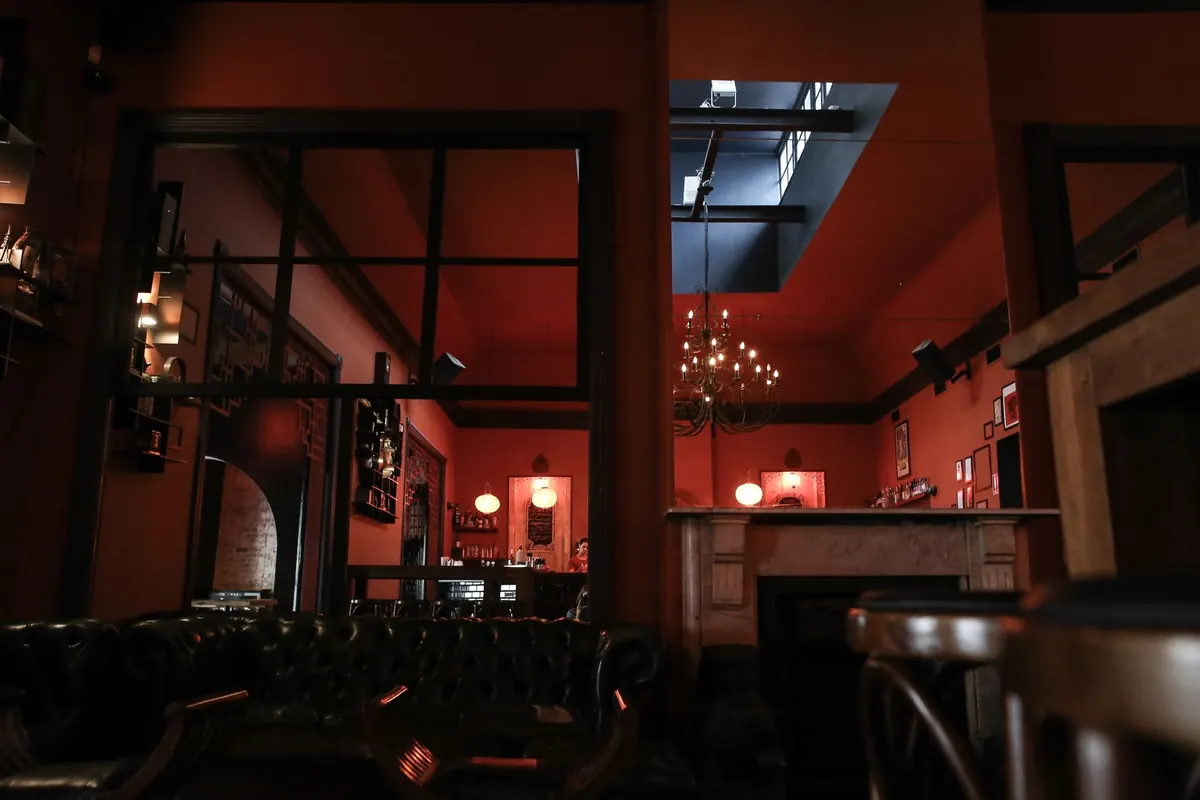
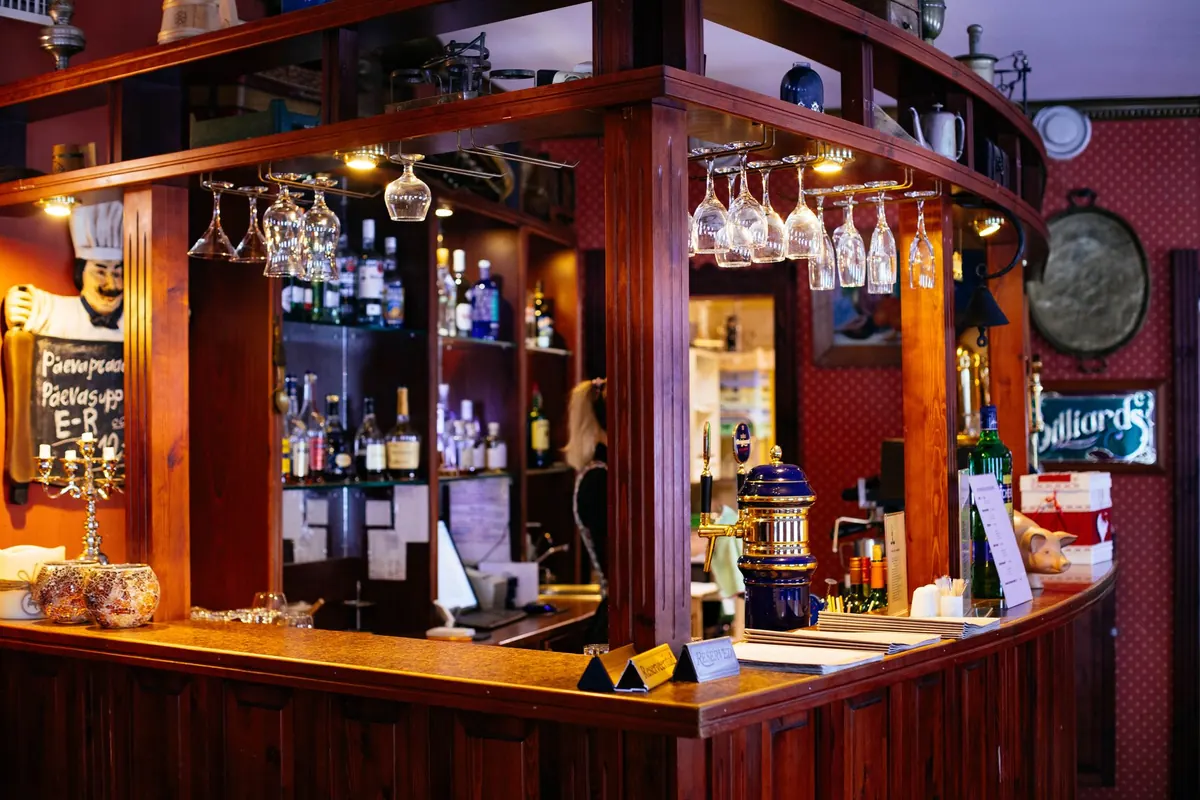
Dark phone snaps, a half-empty car park in the foreground, the bar shot at three in the afternoon with the lights off. Buyers scroll past those in seconds, and the ones who do click arrive expecting problems. Fix this properly.
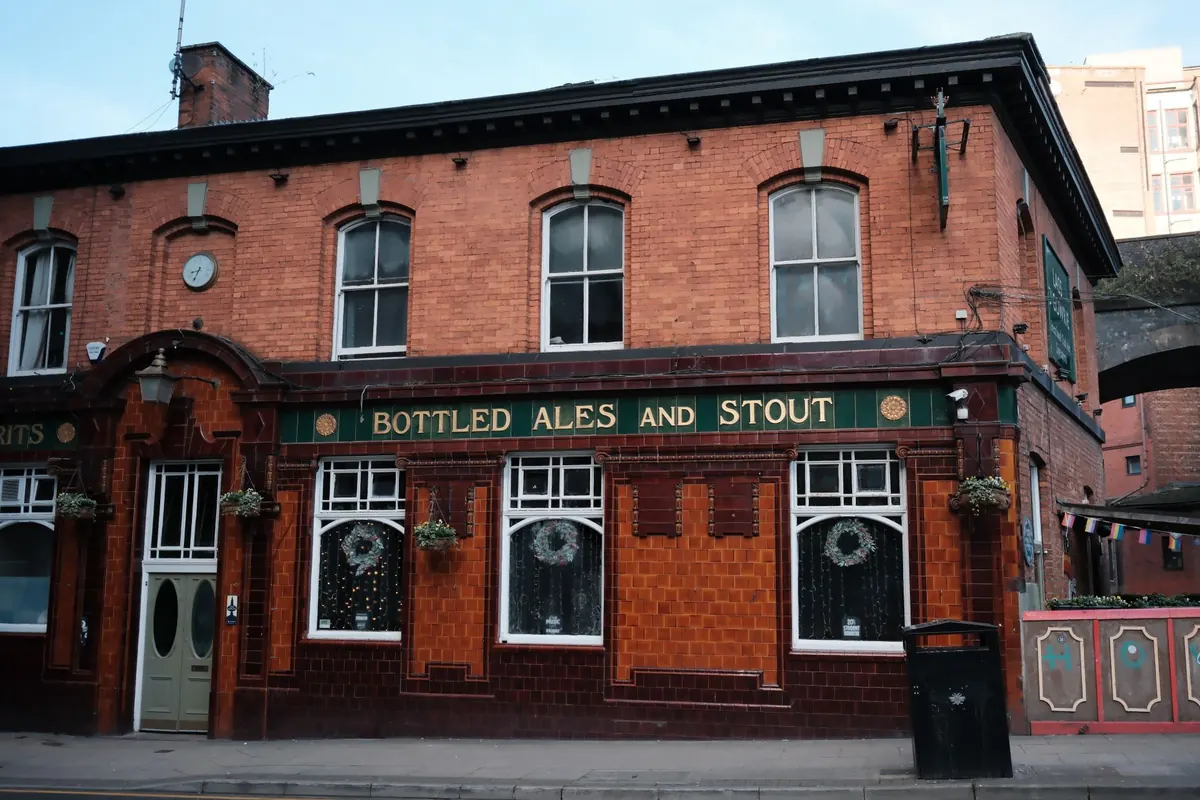
- Shoot at dusk with the interior lights on and the sign lit. It is the single most flattering hour for a pub.
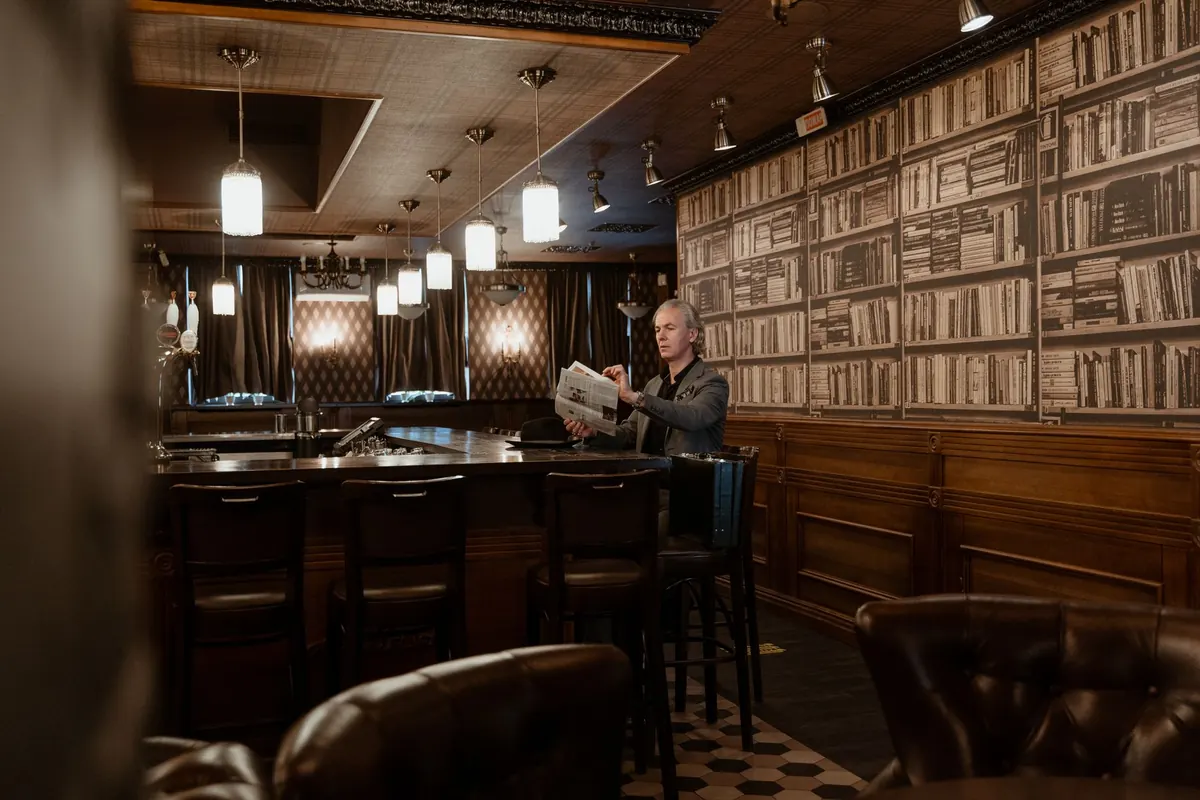
- Put a few drinks on the bar, tidy the pumps, and let two or three regulars sit in the background. An empty pub reads as a failed pub.
- Cover the whole asset: cellar, kitchen, toilets, function room, letting rooms, owner's flat, store, garden and parking.
- Clear personal photos, hand-written signs, mousetraps and stacked blue roll before anyone lifts a camera.
3. Hoping maintenance issues stay hidden
The survey will find the cellar damp, the tired roof, the ageing electrics, the blocked drains, the extraction that no longer meets the kitchen's needs. Buyers' solicitors ask questions, and lenders insist on condition reports. Discovering a problem halfway through a sale does not just cost you the repair — it makes the buyer doubt the trading figures too.
Decide early: fix it, or disclose it with a quote. Both work. A short schedule of known defects, with contractor quotes attached, builds far more confidence than a spotless questionnaire that turns out not to be true. Where disclosure obligations and lease terms are involved, get legal advice.
4. Presenting the accounts as a mystery
A pub that cannot prove its trade is a pub that gets a low offer. Buyers, lenders and their accountants want a clean paper trail, and delays while you hunt for documents are where deals quietly die. Assemble a pack before you go to market: three years of accounts, VAT returns, payroll records, EPOS or till reports, supplier statements, rent and licence details, EPC, gas and electrical certificates, fire risk assessment, PAT testing, and any tenancy or staff contracts.
If your accounting has been informal, say so up front and be ready to show bank statements and supplier invoices that support the numbers. Messy but explained is survivable. Messy and unexplained is a discount.
5. Getting the timing wrong
Timing matters more in pubs than in most property. Spring and early summer flatter a garden, a terrace and a beer offer; a January viewing in the rain flatters nothing. Think about your trading year, your lease and your own plans together.
Watch the lease
A short remaining term will make lenders nervous and buyers cautious. If there are only a few years left, talk to your landlord about an extension before you market rather than during a sale. Tied tenants may have statutory protections around lease renewal and sale; take advice before assuming you can simply hand the keys to whoever offers the most.
Do not sell mid-project
A half-finished refurbishment, a kitchen "temporarily closed" or a function room stripped out all read as risk. Either finish the work or wait. Buyers pay for what they can see trading, not for what you intend to complete next month.
6. Selling the building and forgetting the business
Some sellers spend months on the bricks and almost no time on the trade that makes the bricks valuable. Be precise about what is included in the sale: fixtures and fittings, stock at valuation, the name, the website domain, social accounts, booking system, supplier terms, training records and any goodwill attached to the regulars. Ambiguity here causes arguments at exactly the wrong moment.
Be honest about the team, too. If the chef is leaving in March or the long-serving manager is retiring, the buyer needs to know early. If your staff are willing, a short handover period — introductions to suppliers, a couple of shifts alongside the new owner — can be worth more than a small price reduction.
Preparing for a clean sale
None of this is complicated, but it is all easier done before the board goes up than after a buyer has made an offer. Work through it in order:
- Get two or three specialist pub appraisals and decide on a defensible asking price.
- Fix or quote the known defects, and put the paperwork in one place.
- Commission proper photography and write an honest, detailed listing.
- Check your lease, your tied status and your timing with a solicitor.
- Agree in writing what is included, and plan the handover.
Do those five things and you will attract serious buyers, hold your price through to completion, and leave the pub in good hands. As with any property or business transaction, take advice from your solicitor and accountant on the specifics of your own situation before you commit.
Photo: Thirdman / Pexels
Related Articles