Leasing
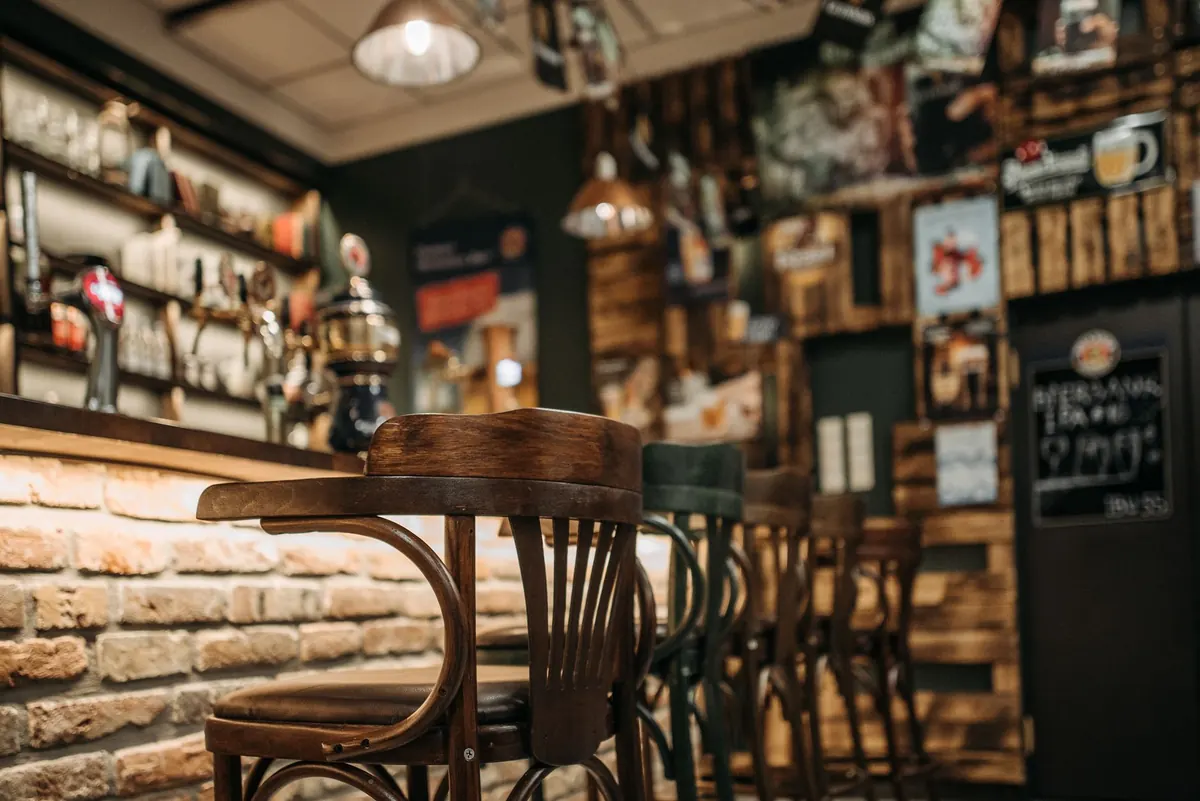
Leasehold Pub Buying Guide for First-Time Operators
You are not buying a building. That is the first thing to get straight, because almost everything else follows from it. A leasehold pub purchase means buying the right to trade from a property for a fixed number of years, plus the fixtures, fittings and goodwill that come with it. Get it right and you have a business with a roof, a customer base and a landlord who is, in theory, on your side. Get it wrong and you have signed up to a repair bill you cannot control.
What You Are Actually Buying
When a leasehold pub changes hands, the seller is assigning their lease to you and selling the trading assets on top. The premium you pay is for those assets: the goodwill, the fixtures and fittings, the benefit of the fit-out, sometimes a flat upstairs. Stock is usually paid for separately at valuation on completion day.
The distinction that matters most is the tie. A tied lease obliges you to buy some or all of your beer, cider and often soft drinks and spirits from the landlord or their nominated supplier. Free-of-tie means you buy where you like. Tied deals usually come with lower rent but higher product costs; free-of-tie means higher rent but full control of your gross margin. Neither is automatically better. What matters is the total cost per barrel and the total rent, added together and compared honestly.
Reading a Listing Like an Operator
Estate agent particulars are written to sell, not to inform. Treat the headline turnover figure as a starting point for questions, never as a fact. It is usually net turnover of drinks and food before VAT, and it tells you nothing about what the previous operator actually kept.
Before you view, ask for three years of accounts, VAT returns and EPOS reports if the pub has them. Look for the trend, not just the last good year. Then go and stand outside the pub at 6pm on a Friday, at 2pm on a Tuesday, and at noon on a Sunday. Watch who walks past, what they are carrying, and where they go instead.
- How many other pubs, bars and restaurants are within a ten-minute walk?
- Is there a proposed development nearby, or a road scheme, that could change footfall?
- Does the pub depend on one or two anchor customers, quiz teams or a single sports fixture?
- What does the local demographic look like five years out, not five years back?
The Lease: Where Deals Are Won and Lost
The lease is the real purchase, and it is the document most first-time buyers skim. Read all of it, then have a commercial solicitor who regularly handles licensed premises read it again.
Term and security
A short remaining term is the single biggest obstacle to finance and to a future sale. Check how many years are left, whether you have security of tenure under the relevant landlord and tenant legislation, and whether the landlord can oppose renewal. A lease with under a handful of years left is difficult to fund and difficult to sell on.
Rent, reviews and repairs
Find out how rent reviews work: open market, index-linked, or upward-only. An upward-only review is a ratchet – your rent can only rise. On repairs, most commercial pub leases are fully repairing and insuring, which means the building's condition is your problem. Insist on a schedule of condition with photographs at the start, so you are not handed a dilapidations bill later for wear that predates you.
Getting out
Look at alienation clauses: can you assign the lease, and does the landlord have to be reasonable about consent? Are there break clauses, and what conditions must be met to use them? Check restrictions on permitted use, opening hours, noise, and subletting. And confirm who insures the building, who pays the service charge, and who picks up the landlord's legal fees.
The Money Side: Premium, Rent and Working Capital
Add up everything, not just the asking price. You will likely need a premium, a rent deposit, rent in advance, legal fees, survey costs, a stock payment, and money for signage, repairs and a small refurbishment. Stamp duty land tax can apply to lease premiums and to high rents, so ask your solicitor to confirm your position.
Then add working capital. Three to six months of running costs is a sensible buffer, because the first quarter rarely performs the way the spreadsheet says it will. Commercial lenders will want a business plan, trading projections, your CV and often a personal guarantee.
Assume the first three months will cost more and earn less than you expect. If the numbers only work in a good month, they do not work.
Licensing, Consent and Compliance
The premises licence does not transfer with the building automatically. You will need to apply to transfer it and to vary the designated premises supervisor to you, which requires a personal licence. Check the existing licence conditions carefully – permitted hours, outdoor trading, live music, off-sales – because variations are not guaranteed. You will also need to deal with PRS and PPL music licences, an energy performance certificate, gas and electrical safety, a fire risk assessment, food hygiene registration if you serve food, and business rates.
The landlord's consent to assign is a separate hurdle, and their approval of you as a tenant can be conditional on references, a rent deposit or a guarantor. Do not spend money on surveys or legal work without knowing how the landlord views you.
Completion: The Last Six Weeks
- Agree the fixtures and fittings inventory in writing, item by item, and photograph everything.
- Set a completion date that gives you a stocktake, meter readings and a proper handover.
- Confirm staff arrangements. If employees transfer, their terms and continuity carry across – take advice.
- Set up utilities, insurance, card terminals, supplier accounts and your bank account.
- Complete the licence transfer and confirm your designated premises supervisor is in place.
- Collect keys, alarm codes, cellar knowledge and the cask ale rotation notes from the outgoing tenant.
Your First Month Behind the Bar
Resist the urge to change everything in week one. The regulars are watching to see whether you respect the pub they already love. Keep the team, keep the core range, and change one visible thing at a time with a reason behind it. Watch your wet gross margin weekly rather than monthly, keep the cellar at temperature, and keep a cash reserve untouched.
Diary two dates immediately: the next rent review and any break option. Missing either costs real money. And keep the landlord informed – a tenant who communicates is treated far better at the first difficult moment than one who goes quiet.
Buying a leasehold pub is a serious commitment of money and years. Instruct a commercial solicitor and an accountant with licensed trade experience before you exchange, and treat every figure the seller gives you as something to verify rather than accept. Do that, and the rest is hospitality.
Photo: Pavel Danilyuk / Pexels
Related Articles