Investing
Pub Investment Due Diligence Checklist: 15 Checks Before You Buy
Buying a pub is part property deal, part business purchase, part leap of faith. The faith part is fine, as long as you do the work first. Most deals that turn sour do so for reasons that were visible before the contracts were exchanged: a licence condition nobody read, a cellar that floods, a tie agreement that leaves no margin, or a competitor opening two streets away. What follows is a workable checklist, grouped into the areas that matter most.
1. Read the Accounts Like a Skeptic
Ask for three years of accounts, not one, plus the last twelve months of management figures, VAT returns and bank statements. Compare them. Figures that look tidy in the year-end accounts often look messier in the bank statements, and the gap is where the questions live.
Look at wet vs dry split, gross profit percentages on beer and food, wage cost as a percentage of turnover, and the trend in each over time. Ask which costs are owner-run and will change when you take over: a landlord who pulls pints six days a week has a labour cost that no spreadsheet reflects. Check whether turnover includes one-off events, grant income or a period of heavily discounted trading. Ask your accountant to review the pack before you make any offer. It is a small fee against a large mistake.
2. Licensing: What You Are Actually Allowed to Do
Get a copy of the premises licence from the local authority, then read every condition. Hours on the licence and hours in practice are often different, and the gap usually means noise complaints or informal agreements with neighbours that nobody wrote down.
Work through these points:
- Permitted activities and hours — including late-night refreshment, regulated entertainment and anything seasonal.
- Conditions — door staff, capacity limits, glass policies, outdoor area restrictions, closing times.
- Designated premises supervisor — who holds it, whether they are staying, and how you will replace them.
- Complaints and reviews — ask the licensing team directly whether there is a history of noise or anti-social behaviour complaints.
- Personal licences — confirm that you or a manager will hold one before completion.
A licence is not yours automatically on purchase. Applications, transfers and variations take time, so start early and take proper licensing advice where the conditions are unusual.
3. Planning, Tie Agreements and the Supply Small Print
Check the planning use class and any permitted development rights with the local planning authority, and confirm what the building has actually been used for. A pub with a side room used as a shop or a flat is a common source of trouble later. If the building is listed, or in a conservation area, assume that signage, extraction and external seating all need consent.
If the pub is tied, the wording matters more than the headline rent. Ask for the full lease or tenancy agreement, the tie agreement, any rent review history and a schedule of dilapidations. Establish exactly what is tied — beer, cider, soft drinks, machines, insurance, even the WiFi — and what the supplier charges against open-market prices. Confirm your repairing obligations, your insurance responsibility and the notice periods on both sides. In England and Wales, tied tenants of larger pub-owning companies have statutory rights, including the option to move to a market rent only deal at certain points. That is a specialist area; use a solicitor who has done pub work before.
4. Building Condition and Environmental Risk
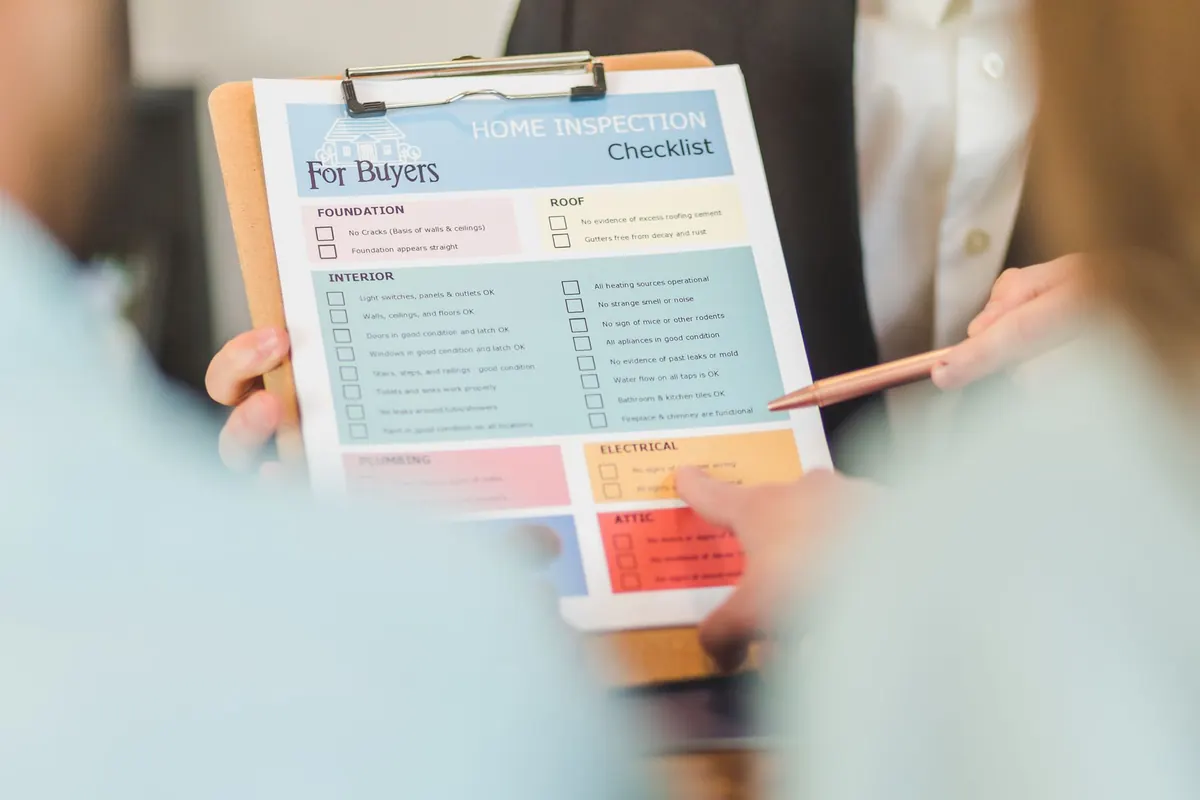
Commission a building survey from someone who has inspected pubs, not just houses. Pubs carry plant that houses do not: cellar cooling, extraction canopies, three-phase electrics, large drainage runs and beer lines.
What to inspect closely
Roof and rainwater goods, cellar damp and flooding, drainage and grease traps, kitchen extraction, gas safety, and the age and condition of the electrical installation. Check the EPC — non-domestic lets generally need a rating of E or better — and ask about flood risk, contaminated land history and any underground tanks from earlier uses. If the site was ever a petrol station, garage or dry cleaner, ask harder questions. Environmental searches and a Phase 1 desk study are cheap insurance where the history is unclear.
5. Staff, Stock and the Handover
List every employee, their role, hours, length of service, pay and accrued holiday. If you are buying the business as a going concern, staff rights usually transfer with it, so budget for that exposure and take advice on what you inherit. Speak to the head chef and the duty manager if you can; their plans tell you a lot about what you are stepping into.
Agree how stock, glassware and fixtures will be valued at completion, who owns the EPOS system and its data, and how bookings, deposits and supplier accounts will be handled. Change the locks, transfer utilities and insurance, and get a clear written handover on licenses, keys, alarm codes and supplier contacts.
6. Competition and the Local Picture
Count your competitors properly. Walk the catchment at different times and days. Check the licensing register for pending applications, look at local planning portals for new housing or road changes, and read recent reviews of nearby pubs to see what they are praised and criticised for. Then ask the hardest question: if those pubs already serve this market well, what will you do differently that a customer would notice within one visit?
7. Turning Checks Into a Decision
Set your own walk-away triggers before you fall in love with the building — an unresolved tie, a licence condition you cannot live with, a survey figure above your contingency. Give the process a realistic timetable and keep a single document where every answer, date and outstanding question is recorded.
Pair that with professional help: a commercial solicitor, an accountant and a surveyor will each catch something you would not. If the numbers, the licence and the building all hold up, you are buying a business, not a hope. If one of them does not, walk away — there is always another pub.
Photo: RDNE Stock project / Pexels
Related Articles